

Renovations Designed around the Way You Live
Whether you're modernising a period property or completely reconfiguring your home, we help create spaces that work better for the way you live, while respecting the character that made you love it in the first place.
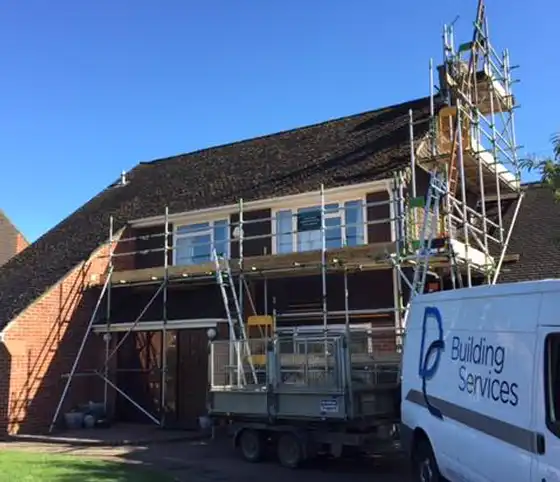
Making Older Homes Work for Modern Living
Every renovation starts with understanding how you live in your home today, and how you'd like it to work in the future. Sometimes that means opening up rooms, improving insulation or updating tired interiors. Other times it's about preserving original features while making the house more practical for modern family life. We'll help you find the right balance.
Top-to-bottom refurbishments — services, finishes and structural work coordinated as one project.
Opening up spaces, improving flow and creating layouts that suit the way you live.
Bringing older homes up to modern standards with improved insulation, heating, plumbing and electrics.
We’ll help you prioritise the changes that make the biggest difference, without recommending work you simply don’t need.
What’s Included
From initial planning through to completion, every stage of the project is managed as one coordinated process.
We manage all aspects of the renovation, including strip-out works, structural changes, interior finishes and coordination of trades. By overseeing the project as one complete build, we ensure work is delivered efficiently, consistently and to a high standard throughout, keeping you updated at every stage.
Start Your ProjectStrip-out works
Careful removal of finishes, services and fixtures, with anything salvageable kept aside for reuse.
Structural changes
Wall removals, RSJs, lintels and new openings, designed alongside a structural engineer.
Interior finishes
Plastering, flooring, joinery, decoration, second-fix electrics and plumbing.
Trade coordination
Architects, engineers, surveyors and trades managed centrally, with one point of contact and one programme.
Old and New, Properly Joined
Renovations only really work when the new bits sit alongside the old without standing out. Skirtings, architraves, paint lines, floor levels — these are the details that decide whether a finished room reads as deliberate or compromised. We plan them up front, not patch them at the end.
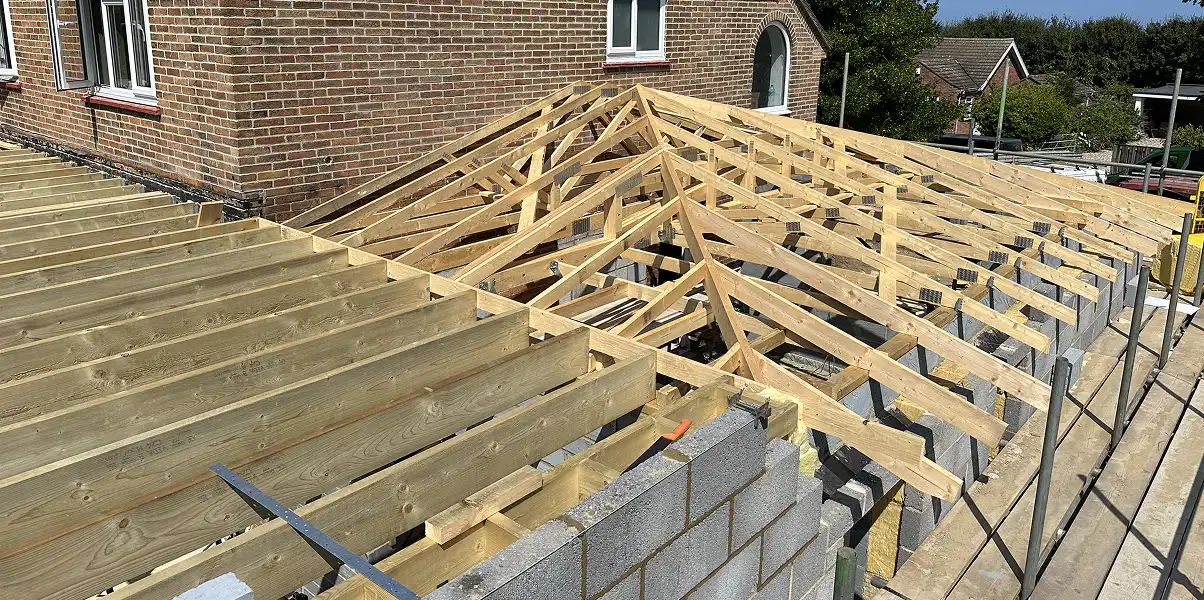
Integration of Old and New
New work tied carefully into the existing fabric — wall lines, ceilings, flooring transitions all considered.
Finish Quality
Plaster set properly. Joinery scribed. Paint cut in cleanly. The details that take time but are obvious when missed.
Consistency
One specification across the whole house — same paint scheme, same skirting profile, same handle range.
Practical Improvements
Insulation, glazing, heating and electrics brought up to current standards while we're already on site.
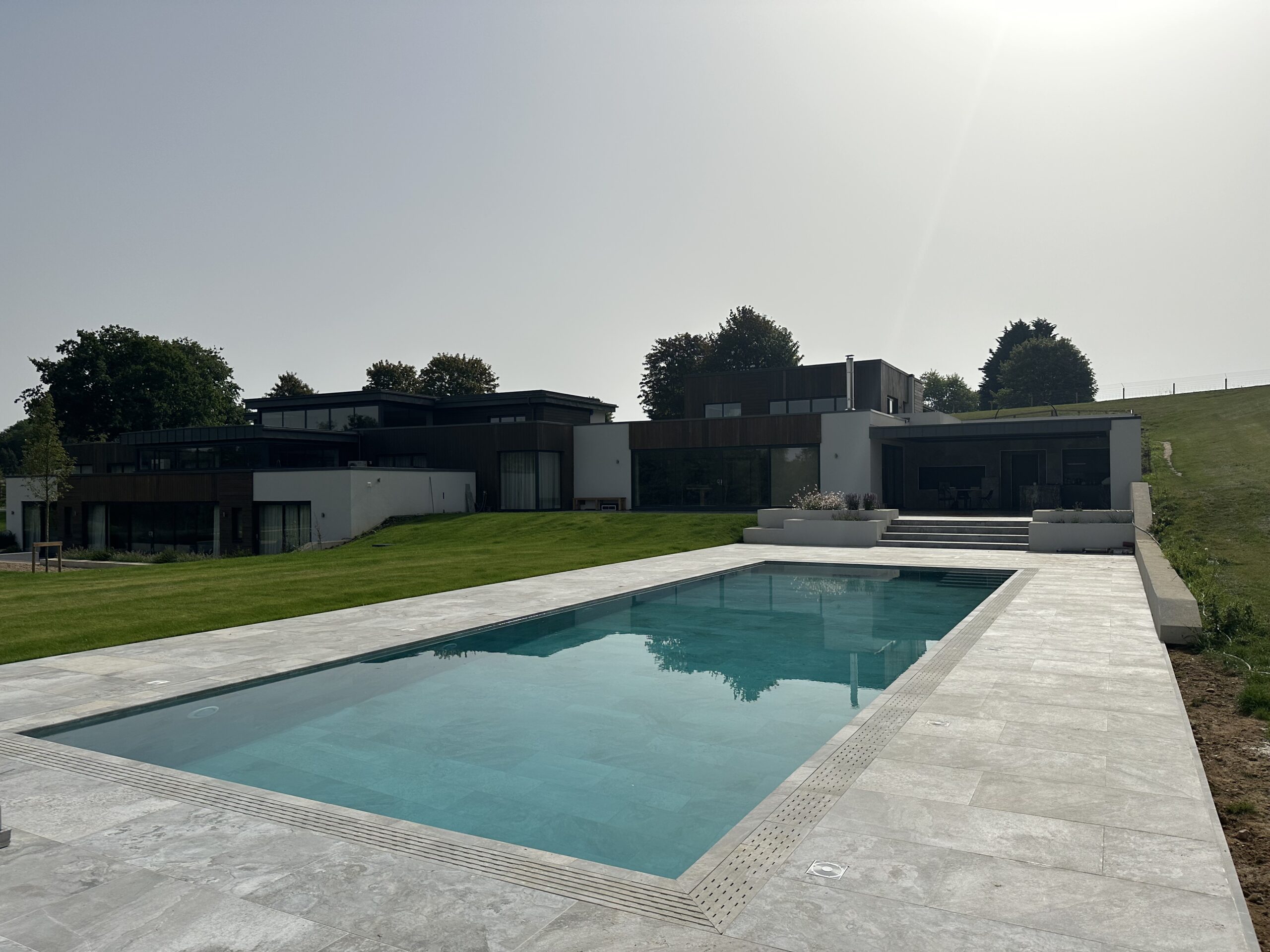
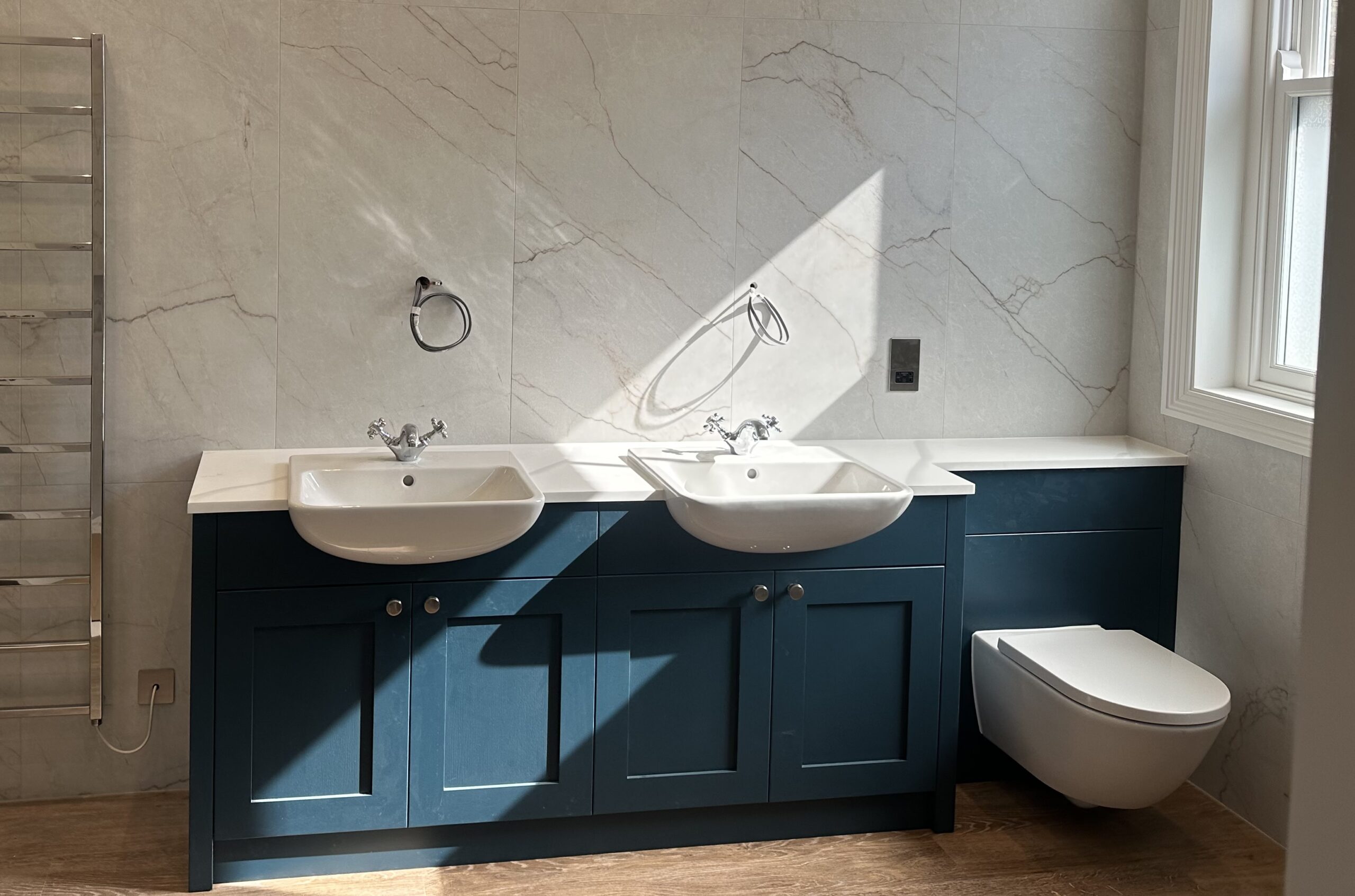
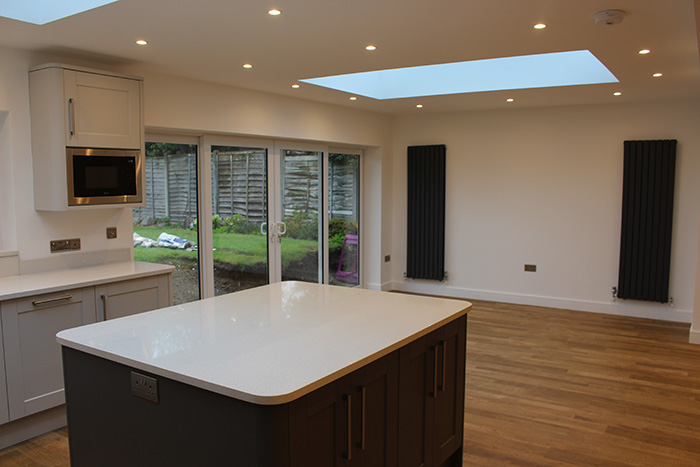
Project Gallery
Questions We Get Asked First
Planning a renovation comes with plenty of questions. Here are some of the questions we’re asked most often. If you'd like to discuss your own project, we'd be happy to arrange a consultation.
Get in TouchIt depends on the scope. A partial renovation of a few rooms might take 4–6 weeks. A full whole-house renovation could take 12–20 weeks. We'll provide a detailed programme before work begins so you know exactly what to expect at every stage.
For partial renovations, this is usually perfectly manageable. For full whole-house refurbishments, it may be more comfortable to temporarily relocate. We'll discuss this openly during the planning stage and help you make the right call.
Yes. We act as your main contractor and coordinate all trades including electricians, plumbers, plasterers and decorators. You won't need to manage multiple contractors — we handle everything and take full responsibility for the project.
Older properties occasionally reveal surprises — hidden damp, outdated wiring or structural issues. If this happens, we'll explain the situation clearly, present you with options and agree on the best course of action before any additional work proceeds.
Complete Your Project
Many homeowners choose to consider additional improvements while their renovation is being done. Combining projects can reduce disruption, simplify the process and often be more cost-effective.