

Extensions
Designed to Live In
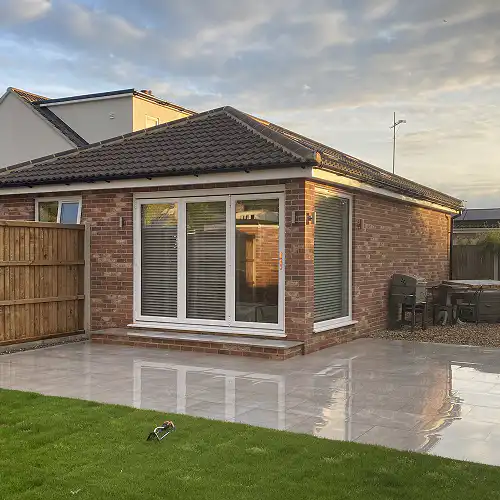
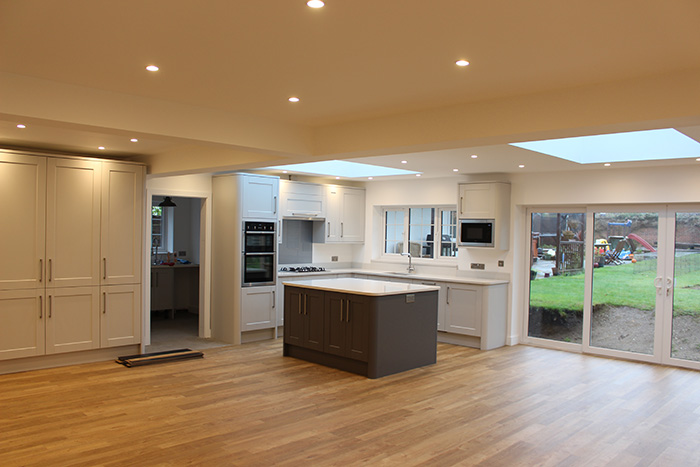
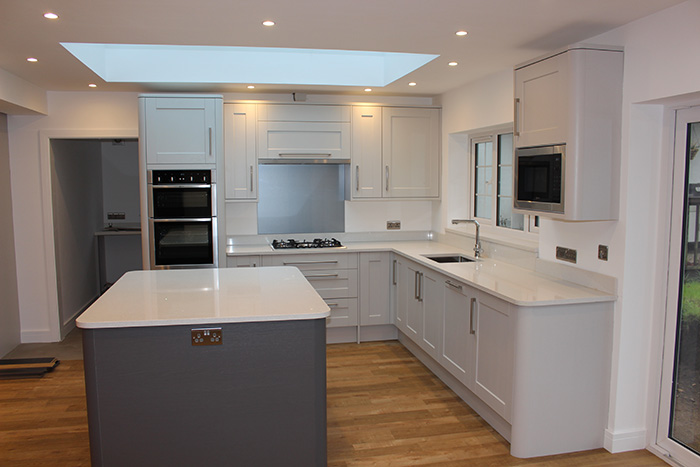
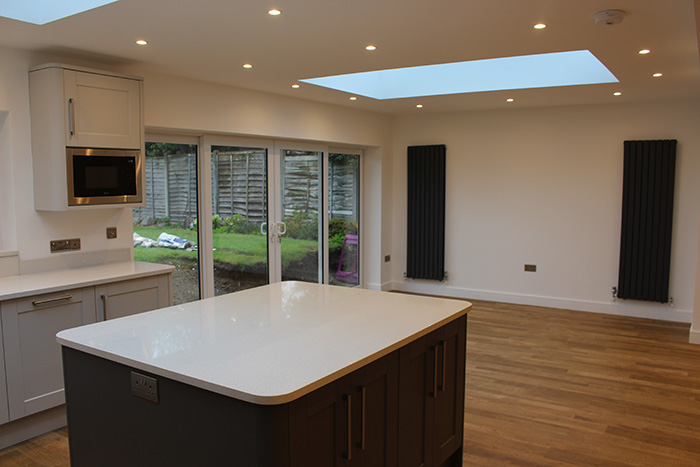
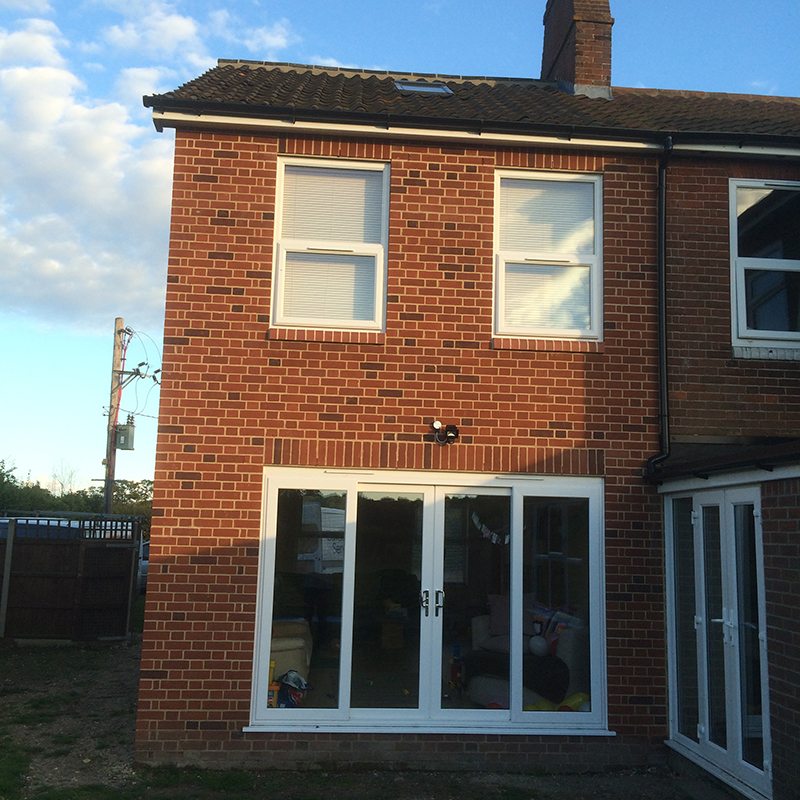
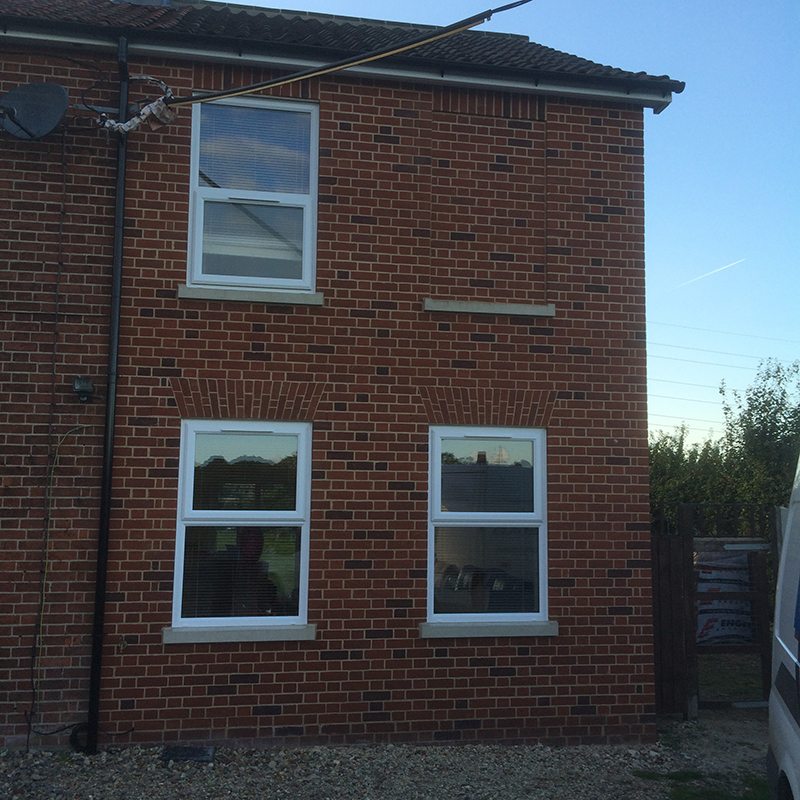
Single and double-storey extensions across Norfolk, planned around how you actually live. From a kitchen-diner that opens to the garden to a full rear wraparound, we build extensions that feel like they belonged to the house from the start.
More Than Extra Space
The best extensions don’t just add square meters - they transform the way you use your home. whether it’s opening up your kitchen, bringing in more natural light or creating space for family life, we take the time to understand how you want to live before we build.
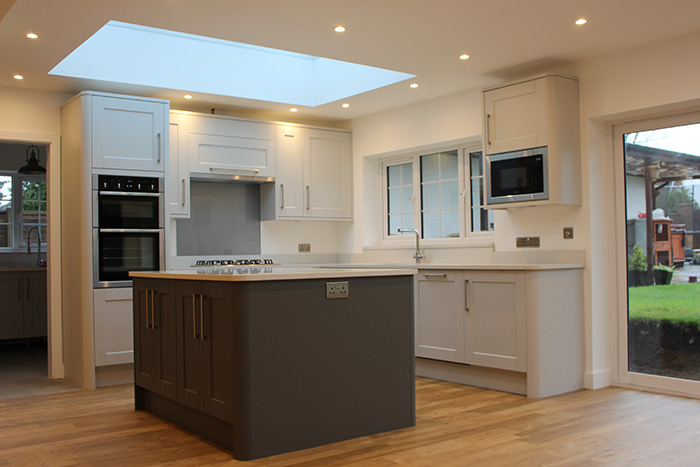
Kitchen-dining-living spaces designed around how you spend evenings, not just floor plans.
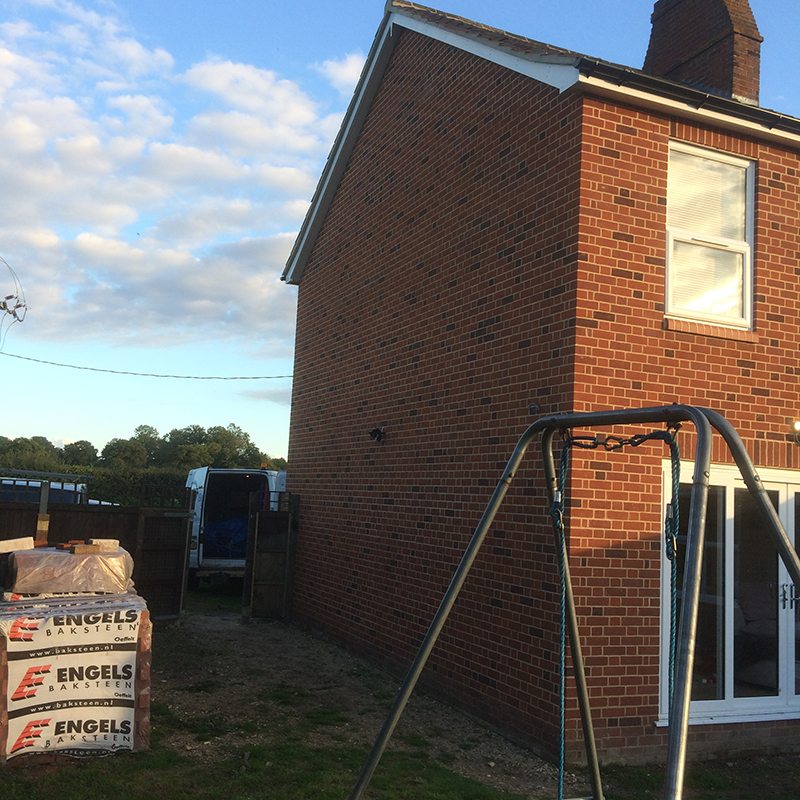
Single and double-storey rear, side-return and wraparound extensions, designed to complement your home.
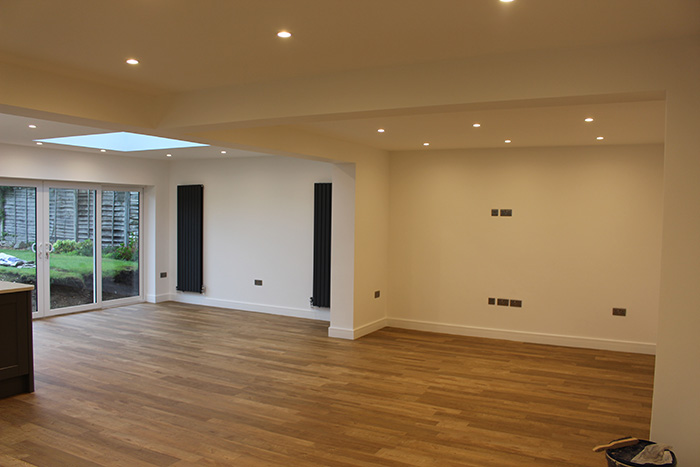
Carefully positioned glazing, rooflights and bifold doors to maximise natural light throughout the day
Thoughtfully connecting old and new so your extension feels like it has always been part of the house.
What’s Included
From initial planning through to completion, every stage of the project is managed as one coordinated process.
From planning and structural work through to the finishing touches, we coordinate every stage of the build. Our experienced team works closely with trusted architects, suppliers and structural engineers to deliver a seamless project with quality craftsmanship and clear communication throughout.
Start Your ProjectPlanning & preparation
Site surveys, drawings, planning applications where required, building regulations, party wall agreements.
Structural work
Foundations, steels and lintels, supporting walls, openings, drainage, structural calculations from a qualified engineer.
Construction
Brickwork, carpentry, roofing, glazing, plumbing and electrics, completed with care and attention to detail.
Finishing works
Plastering, flooring, joinery, second-fix, painting and decoration, snagging and handover.
Designed and Built with Your Home in Mind
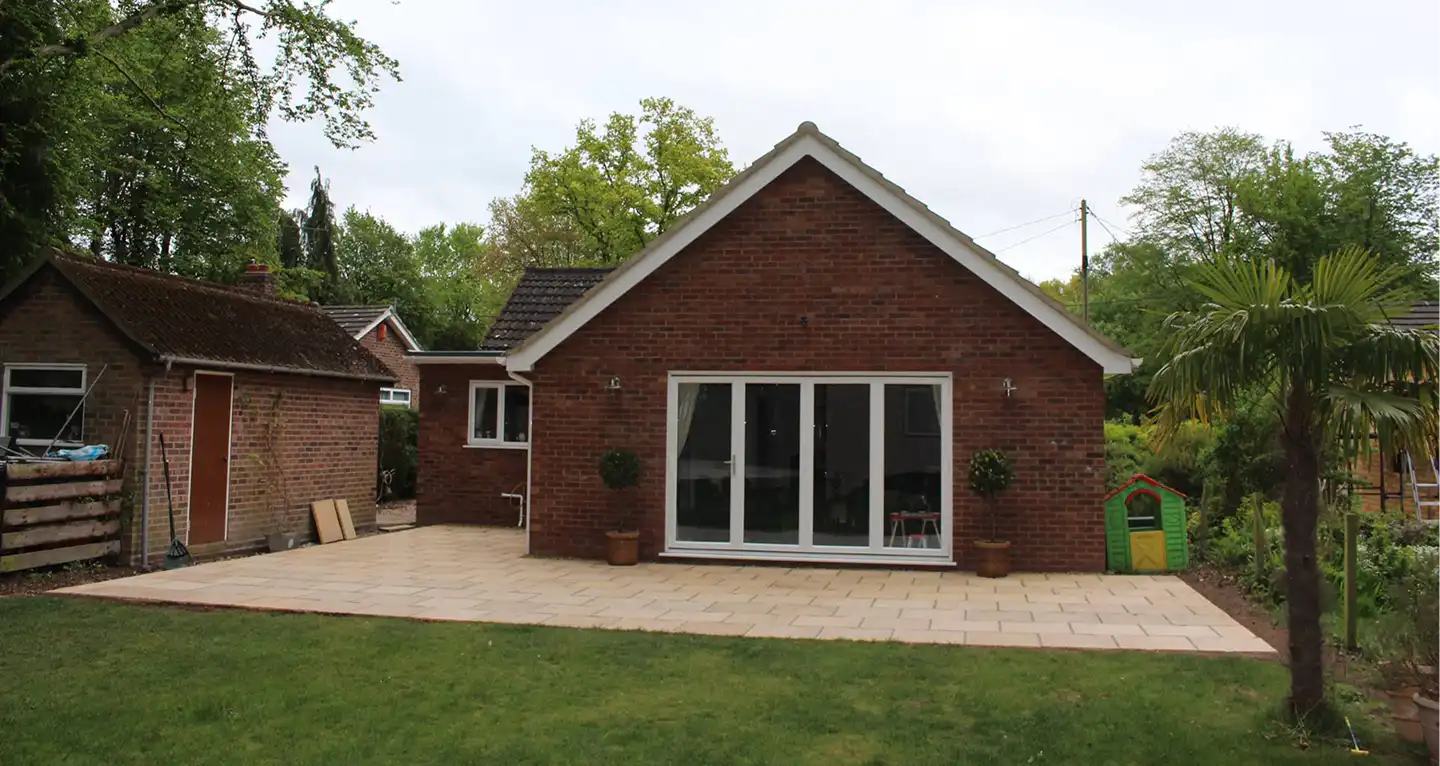
Every home is different, and every extension should be too. Some are designed to blend in seamlessly with the original property, while others create a striking contemporary contrast. The important thing is that the design feels right for your home. That's something we consider right from the very first conversation.
Designed for You
We take the time to understand how you want to use your home before recommending the best solution.
Built with Care
Quality workmanship and attention to detail in every aspect of the build.
Clear Dialogue
Regular updates and honest conversation so you always know what’s happening.
Made to Last
Built using quality materials and trusted construction methods for a finish you’ll enjoy for years to come.
Project Gallery
Questions We Get Asked First
Planning an extension comes with plenty of questions. Here are some of the questions we’re asked most often. If you’d like to discuss your own project, we’d be happy to arrange a consultation.
Get in TouchMany extensions fall under Permitted Development rights, meaning planning permission isn't required. However, this depends on the size, height and location of your extension. We'll advise you on this during your free quote and can manage the planning application if required.
A single-storey extension typically takes 8–12 weeks on-site. A double-storey extension can take 14–20 weeks depending on the complexity. We'll provide a detailed programme before work begins so you know exactly what to expect.
In most cases, yes. We plan our work carefully to minimise disruption to your daily life. We'll always discuss any periods where noise or access may be more impactful so you can plan accordingly.
Yes. We provide a detailed, fixed-price quote once we've had the opportunity to understand your project fully. There are no hidden costs — any changes to the scope are discussed and agreed before proceeding.
We are based in Hellesdon, Norwich and cover the whole of Norfolk including Norwich, Wroxham, Dereham, Fakenham, Wymondham and surrounding areas.
Complete Your Project
Many homeowners choose to consider additional improvements while their extension is being built. Combining projects can reduce disruption, simplify the process and often be more cost-effective.
Barn Conversions
Converting barns into beautiful homes while preserving original features.
Renovations
Expert renovation work designed to improve, enhance, and add value.
Kitchens & Bathrooms
Professional kitchen and bathroom fitting and transformations with a focus on quality and detail.
Landscaping
Shaping gardens and outdoor areas with care, precision, and lasting quality.